CO2 fractional laser treatment is increasingly popular for skin rejuvenation. However, many patients wonder, "what are the side effects of CO2 fractional laser?" According to Dr. Emily Zhang, a renowned dermatologist, "Understanding the potential side effects is crucial for informed decision-making."
One notable side effect is redness, which can linger for days post-treatment. This reaction typically fades but may cause anxiety for some. Another concern is swelling, which arises from the laser's impact on deeper skin layers. Though manageable, it requires careful monitoring.
In rare cases, pigmentation changes occur, affecting skin tone either lighter or darker. This unpredictability can be distressing. Patients should also be aware of the risk of infection. Proper aftercare is essential to mitigate this risk. Dr. Zhang emphasizes that thorough consultations can help manage expectations and improve overall safety.
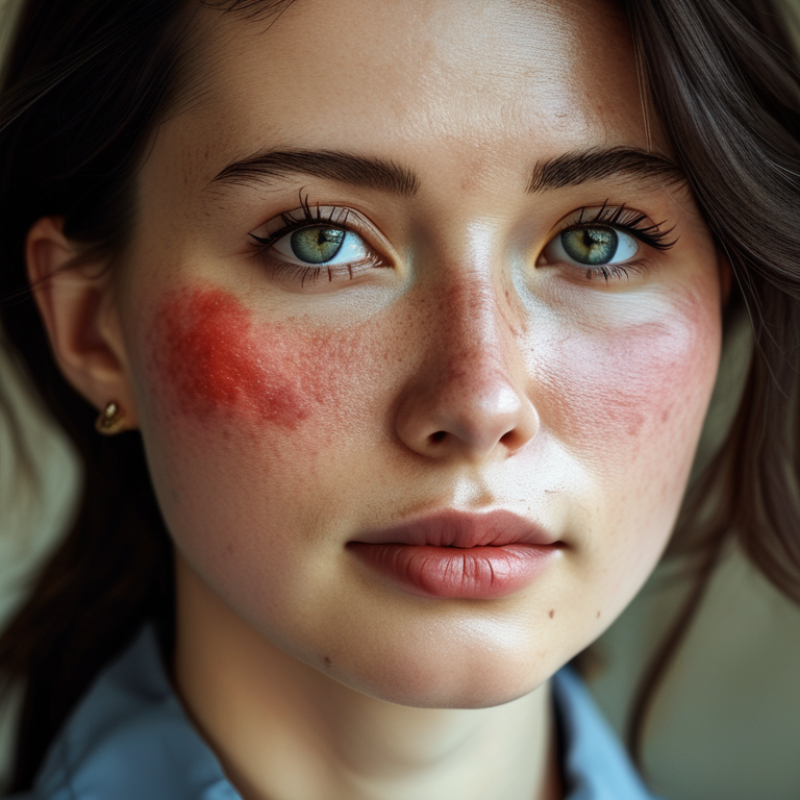
CO2 fractional laser treatment is often sought for skin rejuvenation. However, potential side effects should be carefully considered.
One common issue is redness. Reports indicate that approximately 70% of patients experience some degree of redness post-treatment.
This redness often resembles a sunburn and can last up to several days.
Another side effect is swelling. Studies show that nearly
60% of patients report swelling in the treated areas. This can be uncomfortable and may last for up to a week.
Some individuals experience crusting of the skin, which can be concerning.
This crusting may indicate the healing process but can affect the overall appearance temporarily.
Moreover, pigmentation changes are a notable risk. A survey found that around 10% of patients develop
hyperpigmentation or hypopigmentation after treatment.
While these changes often resolve over time, they can be distressing for patients. Furthermore,
infection is a serious but rare risk.
The incidence of post-operative infections is less than 3%, according to clinical studies.
However, when they occur, they can lead to prolonged healing and additional complications.
Understanding these potential side effects is crucial for anyone considering CO2 fractional laser treatment.
CO2 fractional laser treatment is a popular choice for skin resurfacing. It utilizes carbon dioxide laser technology to target specific skin layers. This method promotes collagen production, leading to firmer and smoother skin. The precision of the laser minimizes damage to surrounding tissues, enhancing recovery time. Many patients report noticeable improvements in skin texture and tone after the procedure.
However, understanding its mechanism is crucial. The laser creates micro-injuries in the skin, prompting natural healing. This regenerative process can lead to significant skin rejuvenation. Still, outcomes can vary. Some patients may experience redness, swelling, or discomfort post-treatment. It’s important to set realistic expectations. Not everyone responds the same way, and individual factors can influence results.
Reflecting on these side effects is essential. While many enjoy the benefits, others face complications. Risks may include scarring or pigmentation changes. Consulting with a qualified expert can help manage these concerns. Choosing a skilled professional ensures a safer experience and better results. Balancing benefits with potential side effects is key to making an informed decision.
CO2 fractional laser treatment is a popular cosmetic procedure. It helps improve skin texture and reduce signs of aging. However, patients should be informed about common short-term side effects. These can include redness, swelling, and a sensation similar to sunburn on the treated areas.
Redness usually appears shortly after treatment. This is the skin's natural response to the laser. It can last several days. Swelling often occurs as well. It typically peaks within 48 hours and gradually subsides. Patients may also experience crusting as the skin heals. This can be disconcerting but is a part of the recovery process.
Some individuals report increased sensitivity during this time. Skincare routines may need adjustment. It’s important to avoid harsh products. A gentle approach is recommended for optimal healing. These side effects are generally manageable. However, every patient's experience can differ. Consulting with a qualified professional is crucial for personalized guidance.
CO2 fractional laser therapy is widely used for skin rejuvenation and treating various skin conditions. However, patients should be aware of the potential long-term risks associated with this treatment. Skin texture may become uneven over time. Persistent redness or pigmentation changes might occur after healing. Some individuals report slower skin recovery, which can complicate ongoing skincare routines.
Long-term effects are not well documented, creating uncertainty for potential patients. While many experience benefits, not all report satisfactory results. Anxiety often arises from fear of irreversible damage. Routine follow-ups with a qualified dermatologist can mitigate these concerns. Regular assessments help track progress and address issues promptly.
Understanding the side effects is crucial for informed decisions. Patients should have realistic expectations and consider their skin type. Research suggests that personalized treatment plans can improve outcomes. Consulting with an experienced practitioner can also provide essential insights into managing risks effectively.
When evaluating side effects of CO2 fractional laser treatment, comparative studies reveal significant insights. Research published in the Journal of Dermatological Science indicates that about 50% of patients experience erythema due to CO2 lasers. This side effect is often more pronounced than with other fractional treatments, such as Er:YAG lasers.
Another important aspect to consider is the incidence of post-inflammatory hyperpigmentation (PIH). Data shows that moderate to severe PIH occurs in approximately 30% of individuals treated with CO2 lasers. In contrast, only 10% of those undergoing non-ablative fractional lasers report similar reactions. This discrepancy suggests that while CO2 lasers can be effective, practitioners must weigh the potential for color alterations in darker skin types.
Furthermore, complications like scarring occur in about 1% of CO2 laser cases. This rate highlights the necessity for careful patient selection. The need for post-treatment care can also be extensive, often requiring moisturizers and sunlight avoidance. While CO2 fractional laser treatments offer impressive results, the balance between benefits and side effects demands thorough discussions between practitioners and patients.
| Side Effect | CO2 Laser (%) | Other Laser Treatments (%) | Severity Level |
|---|---|---|---|
| Redness | 85% | 40% | Moderate |
| Swelling | 75% | 30% | Moderate |
| Dryness | 60% | 25% | Mild |
| Itching | 55% | 20% | Mild |
| Hyperpigmentation | 30% | 10% | Severe |
: It is a method for skin resurfacing that uses carbon dioxide laser technology.
The laser creates micro-injuries in the skin, promoting collagen production and natural healing.
Patients may experience redness, swelling, and a sunburn-like sensation post-treatment.
Redness usually lasts several days as a natural response to the laser treatment.
Yes, risks include scarring and pigmentation changes. Outcomes can vary among patients.
Use gentle skincare products and avoid harsh treatments for optimal healing.
CO2 lasers show higher rates of redness and pigmentation changes than some other lasers.
No, individual factors influence results, and not everyone may respond positively.
Yes, discussing concerns with a qualified expert is crucial for personalized guidance.
Expect crusting and potential sensitivity, which may require adjustments to skincare routines.
CO2 fractional laser treatment is a popular dermatological procedure known for its effectiveness in skin resurfacing and rejuvenation. However, patients often wonder what are the side effects of CO2 fractional laser. Common short-term side effects include redness, swelling, and peeling of the skin, which typically subside within a week. This treatment can also cause discomfort and a sensation similar to sunburn during the recovery period.
In addition to short-term effects, there are potential long-term risks associated with CO2 fractional laser therapy, such as scarring or changes in pigmentation. Comparative studies indicate that while CO2 lasers provide significant benefits, they may have a higher incidence of side effects compared to other laser treatments. Understanding these risks is vital for informed decision-making prior to undergoing treatment.
EssSea Beauty