In the world of aesthetic treatments, many consumers and professionals often inquire, "what is the difference between IPL and diode laser?" These two popular technologies have unique features that cater to different needs. According to Dr. Jane Smith, a leading dermatologist, “Understanding the distinctions can lead to better treatment choices for patients.”
IPL, or Intense Pulsed Light, uses broad spectrum light. It targets pigmentation and vascular lesions effectively. Diode lasers, however, emit a specific wavelength of light for deeper penetration. This precision allows for effective hair removal and skin rejuvenation. Both methods promise results, yet their approaches diverge significantly.
Choosing between IPL and diode laser can be confusing. For clients, it's about assessing individual skin types and treatment goals. Learning each method's merits fosters more informed decisions. Education is key in this evolving field, and experts like Dr. Smith emphasize the importance of understanding these technologies.
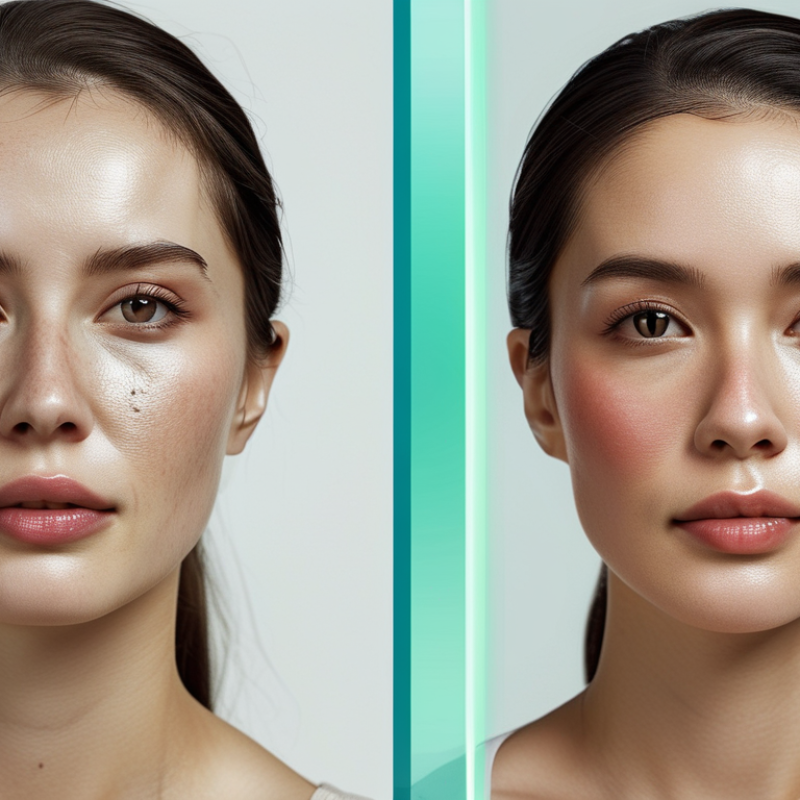
China's IPL and Diode Laser: Overview and Applications
Intense Pulsed Light (IPL) (IPL) and diode lasers are two popular technologies in skin treatment. Each offers unique benefits and applications. IPL utilizes broad-spectrum light, allowing it to treat various skin concerns, such as pigmentation and vascular lesions. According to a 2022 industry report, IPL procedures have increased by 25% annually due to rising demand for non-invasive skin treatments.
On the other hand, diode lasers use a focused beam for precise targeting. They are especially effective in hair removal and skin rejuvenation. A 2023 analysis suggests diode laser treatments have a satisfaction rate of over 90%. Patients often acknowledge the efficiency of diode lasers, but they can be more painful compared to IPL.
Choosing between IPL and diode lasers depends on individual needs and skin types. While IPL offers versatility, diode lasers shine in precision applications. Professionals recommend performing a skin assessment prior to treatment to ensure optimal results. Despite their effectiveness, both methods have limitations and patients should remain informed about the potential risks.
Technical Differences Between IPL and Diode Laser Technologies
Intense Pulsed Light (IPL) and Diode Laser are pivotal in aesthetic treatments, but they differ significantly. IPL utilizes a broad spectrum of light wavelengths to target various skin concerns. This versatility allows it to treat pigmentation, redness, and hair removal effectively. Studies show that IPL can improve skin texture, with up to 85% patient satisfaction reported in clinical outcomes.
In contrast, Diode Laser employs a single wavelength for precision. This feature allows for deeper penetration in the skin, making it especially effective for hair removal and vascular lesions. Research highlights that Diode Laser treatments can offer a higher efficacy rate, with some studies indicating a 90% hair reduction after a few sessions. However, this technique may lead to increased discomfort during procedures due to its focused energy delivery.
IPL treatments often require multiple sessions and can yield varied results across skin types. Darker skin may be at higher risk for side effects. Meanwhile, the Diode Laser’s targeted approach could pose limitations for broader skin concerns. As aesthetic professionals evaluate these technologies, understanding their nuanced differences is crucial for optimal patient care.
Efficacy Comparison: IPL vs Diode Laser in Hair Removal
When considering hair removal, the efficacy of various methods is crucial. IPL (Intense Pulsed Light) and diode lasers are two popular options. Each method has unique mechanisms and effectiveness, particularly in targeting hair follicles.
IPL uses broad-spectrum light, which can treat a larger area quickly. However, its effectiveness depends on skin and hair color. Darker hair on light skin tends to respond best. The results can be inconsistent, leading some users to seek more reliable alternatives.
Diode lasers, on the other hand, emit a focused beam of light. This precision allows them to penetrate deeper into the skin. They can effectively target hair follicles across various skin tones. Many users find diode treatments produce more permanent results. Yet, they can be slower due to the focused approach.
Ultimately, both methods have their pros and cons. Some individuals may prefer the speed of IPL, while others appreciate the reliability of diode lasers. Each option may require multiple sessions for optimal results, creating a learning curve for users. Adjusting expectations is essential for a successful hair removal journey.
Efficacy Comparison: IPL vs Diode Laser in Hair Removal
| Criteria |
IPL |
Diode Laser |
| Hair Type Effectiveness |
Effective on fine and light hair |
Most effective on dark and coarse hair |
| Skin Type Compatibility |
Effective for all skin types |
Best for light to medium skin types |
| Treatment Pain Level |
Mild discomfort |
Moderate discomfort |
| Number of Sessions Required |
6-10 sessions |
4-8 sessions |
| Treatment Time |
Longer treatment time |
Shorter treatment time |
| Post-Treatment Care |
Minimal care needed |
Mild skin irritation may occur |
| Cost Range |
Generally lower cost |
Generally higher cost |
Safety Profiles: IPL and Diode Laser Treatments
When comparing IPL (Intense Pulsed Light) and diode laser treatments, their safety profiles differ significantly.
IPL utilizes a broad spectrum of light, while diode lasers emit a specific wavelength. This difference impacts the treatment's precision and effectiveness.
IPL is often less targeted, which may lead to minor side effects, like redness and swelling.
Diode lasers, however, are more precise, usually resulting in fewer side effects.
Skin type plays an important role in treatment safety.
IPL is more suitable for lighter skin tones due to the way it absorbs light.
People with darker skin may experience more pigment changes.
Diode lasers can be adjusted for different skin types, making them a safer choice for a wider audience.
Always consult with a professional to determine which method suits your skin best.
Tips: Always do a patch test before full treatment. This helps identify any adverse reactions. Stay out of the sun before and after treatments to ensure skin healing and minimize complications.
Research your practitioner’s qualifications; experienced professionals are essential for safety.
Market Trends: Adoption of IPL and Diode Laser in China
The adoption of Intense Pulsed Light (IPL) and diode laser technology in China has experienced significant growth recently. Medical and beauty industries are embracing these technologies for skin treatment and hair removal. IPL offers a broad spectrum of light, making it versatile for various applications. Diode lasers, on the other hand, provide more precise targeting for hair follicles.
In practice, each technology has its pros and cons. Some practitioners prefer IPL for its faster treatment times. However, IPL lacks the precision of diode lasers, which may lead to varied results. Clients are increasingly discerning, seeking reliable outcomes from their treatments. An educated choice on which technology to use depends on individual needs and expectations.
The market trends indicate a rising awareness among consumers. Clinics offering advanced services report higher foot traffic. However, educators and professionals must ensure proper training for practitioners. Continuous education can help bridge gaps in knowledge and execution. The growing demand presents both opportunities and challenges. As the market evolves, adaptation is crucial for success.
FAQS
: IPL uses a broad spectrum of light, while Diode Laser employs a single wavelength for precision.
IPL can effectively treat pigmentation and hair removal, with up to 85% patient satisfaction reported.
Diode Laser offers deeper skin penetration and a higher efficacy rate, achieving up to 90% hair reduction in some cases.
Yes, IPL can lead to minor side effects such as redness and swelling, especially in darker skin tones.
Diode Laser can be adjusted for different skin types, making it suitable for a broader audience.
IPL often requires multiple sessions, and results can vary significantly across different skin types.
It's important to do a patch test and avoid sun exposure before and after treatments to minimize risks.
There has been significant growth in the use of IPL and Diode Laser technologies in China's medical and beauty industries.
An educated choice depends on individual needs, skin type, and desired treatment outcomes.
Continuous education ensures safety and efficacy in treatments as demand for these technologies grows.
Conclusion
The article "China Top 10 IPL vs Diode Laser: What is the Key Difference" provides a comprehensive overview of Intense Pulsed Light (IPL) and diode laser technologies, outlining their applications, technical differences, and market trends in China. Notably, the article examines the efficacy of both methods in hair removal and discusses their safety profiles.
In terms of efficacy, the comparison reveals that while both technologies are effective, their mechanisms differ significantly. IPL utilizes a broad spectrum of light, making it versatile for various skin conditions, whereas diode lasers offer a more targeted approach, often resulting in quicker treatments. Additionally, safety profiles indicate that both treatments have low risks, but individual skin types may respond differently. Ultimately, understanding what is the difference between IPL and diode laser is crucial for consumers and practitioners when choosing the appropriate hair removal method.

 EssSea Beauty