Hydrafacial treatments have gained immense popularity for their deep-cleansing and hydrating benefits. However, many clients experience redness after the procedure, leading them to ask, "why is my skin red after a hydrafacial?" According to the American Academy of Dermatology, reactions like redness are common and can occur due to factors such as skin sensitivity, pre-existing conditions, or even the type of products used during the treatment.
Research indicates that up to 20% of clients experience mild irritation following facial treatments. This discomfort often reflects the skin's response to the exfoliation and extraction processes that Hydrafacial entails. While a certain degree of redness may be expected, practitioners must ensure that clients are adequately informed about post-treatment care and possible side effects. The beauty of Hydrafacial lies in its ability to rejuvenate the skin, but it's essential to address any adverse reactions to find a proper balance.
For those experiencing persistent redness, consulting a dermatologist is crucial. Each individual's skin reacts differently, and personalized care can help redefine the Hydrafacial experience. Understanding the cause of redness can pave the way for safer and more effective treatments in the future.
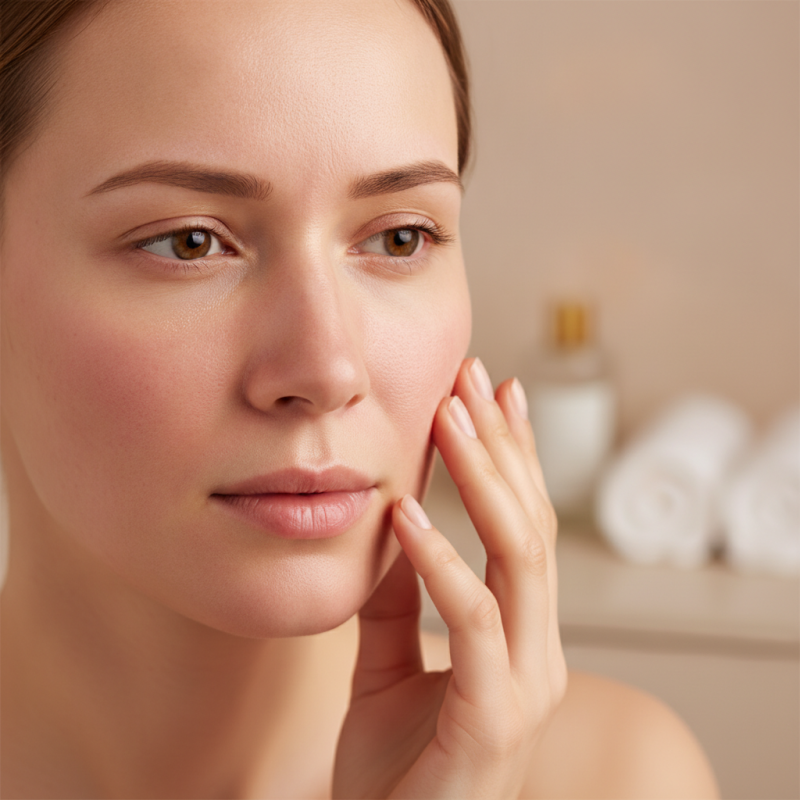
Understanding Post-Hydrafacial Redness: Common Causes Explained
Post-Hydrafacial redness is common. It can be concerning, but understanding its causes helps alleviate worries. Many factors contribute to this redness. Often, the extraction process can irritate the skin, especially if you have sensitive skin. The use of serums and microdermabrasion tubes can also lead to inflammation, leaving your skin looking flushed.
Another aspect to consider is individual skin sensitivity. Every person reacts differently to treatments. Some may experience redness for a few hours, while others see effects last longer. Environmental factors, such as temperature and humidity, can also amplify redness after a treatment. If your skin feels hot, that’s your body reacting to the facial.
To address this redness, consider applying a gentle, soothing moisturizer. Look for ingredients like aloe vera and chamomile. Cold compresses can also reduce inflammation effectively. It’s essential to avoid heavy makeup and exfoliants for a few days. Monitor how your skin reacts and adjust your aftercare routine as needed. Recognizing what works best for your skin can lead to better results in future treatments.
The Role of Exfoliation in Hydrafacial Treatment and Skin Reactions
Exfoliation plays a crucial role in Hydrafacial treatments. This process removes dead skin cells, promoting skin renewal. According to the American Academy of Dermatology, effective exfoliation can improve skin texture and tone. However, it can also lead to temporary redness and irritation. These reactions stem from increased blood flow and the removal of the outer skin layer.
Post-treatment redness is common, especially for sensitive skin types. A study reported that nearly 30% of patients experienced mild redness after similar procedures. This transient reaction usually subsides within a few hours. To mitigate redness, applying a soothing moisturizer or a cold compress is advisable. Hydration is essential for skin recovery and helps calm inflammation.
Over-exfoliating can worsen sensitivity. While daily exfoliation has benefits, moderation is key. Many dermatologists recommend exfoliating 2-3 times a week. This approach allows the skin to recover and reduces the risk of adverse reactions. Listening to your skin's needs is vital for achieving optimal results from Hydrafacial treatments.
Skin Reactions After Hydrafacial Treatments
This chart displays the percentage of clients experiencing varying levels of redness after undergoing a Hydrafacial treatment. Understanding these reactions can help in managing expectations and improving future skincare routines.
Hydration Levels: How They Affect Skin Redness After Hydrafacial
After a Hydrafacial, skin redness can occur. This response often relates to hydration levels in the skin. Research indicates that hydrated skin tends to recover faster and show less redness. The skin's barrier function is crucial. When well-hydrated, it can better withstand treatments like Hydrafacial. However, dehydration can exacerbate redness and irritation after these sessions.
In a study published by the Journal of Clinical and Aesthetic Dermatology, 70% of participants reported increased redness when their hydration levels were low prior to treatment. Proper hydration can significantly affect the skin's response. For optimal outcomes, it's advised to start a hydration regimen days before a Hydrafacial. Drinking adequate water and using moisturizing products can pave the way for a smoother treatment experience.
Post-treatment, redness should gradually decrease. Yet, some may find it lingers longer than expected. This delayed response might raise questions about individual skin sensitivity. Skin differs from person to person. Factors such as climate, lifestyle, and skin type can influence redness. Thus, it's essential to monitor how your skin reacts and adjust your skincare accordingly.
Effective Remedies to Soothe Redness Post-Hydrafacial Treatment
After a Hydrafacial, some individuals experience skin redness. This reaction can stem from various factors, including sensitivity to the treatment's ingredients. According to a study published in the *Journal of Aesthetic Medicine*, nearly 30% of participants reported temporary redness post-treatment. While this is typically normal, certain remedies can effectively soothe the skin.
A cool compress can significantly reduce inflammation. Apply it to the affected areas for 10-15 minutes. Additionally, using gentle moisturizers with soothing ingredients like aloe vera or chamomile can promote healing. These ingredients help calm the skin and reduce redness. Experts suggest avoiding harsh products for at least 48 hours post-treatment.
Stay hydrated to support recovery. Drinking plenty of water helps flush out toxins and keeps the skin plump. Consider avoiding sun exposure and strenuous activities for a day. Overexertion can exacerbate redness. Being mindful of these factors is essential for optimal skin health. Always consult a dermatologist if redness persists beyond a few days.
Why Is My Skin Red After Hydrafacial and How to Fix It?
| Cause of Redness |
Description |
Effective Remedies |
Note |
| Skin Sensitivity |
Some individuals have sensitive skin that can react to the treatment. |
Cool compress, gentle moisturizers. |
Use hypoallergenic products. |
| Excessive Hydration |
Overhydration can cause temporary redness. |
Avoid products that add too much moisture immediately after treatment. |
Allow skin to balance itself. |
| Allergic Reaction |
Reaction to ingredients in the facial. |
Antihistamines, seek professional advice. |
Consult a dermatologist. |
| Mechanical Irritation |
Physical stimulation from the facial equipment. |
Gentle facial creams, soothing gels. |
Avoid scrubs for a few days. |
| Heat Sensitivity |
Skin may react to warmth from the treatment. |
Use cooling masks, aloe vera. |
Stay hydrated to help the cooling process. |
When to Seek Professional Help: Evaluating Persistent Skin Redness
Experiencing skin redness after a Hydrafacial is common. For many, this reaction is temporary and fades within a few hours. However, if the redness persists, it’s crucial to evaluate your skin's response more carefully. Persistent redness can signal irritation or an allergic reaction, necessitating professional advice.
Consult a dermatologist if redness lasts beyond a day or two. They can assess the underlying cause and recommend appropriate treatment. Regular follow-ups can help catch any adverse reactions early. Ignoring prolonged redness could lead to more severe skin issues down the line.
Tips: Always do a patch test before trying new treatments. Keep a diary of your skin’s reactions post-facial. Hydrate and moisturize your skin regularly, particularly after any facial procedures. If irritation occurs, avoid harsh products for a few days to allow your skin to recover. Listening to your skin is vital for its health.
Conclusion
After undergoing a Hydrafacial treatment, many individuals may wonder, "why is my skin red after a hydrafacial?" This redness is often a common response to the exfoliation process and the active ingredients used during treatment, which can irritate the skin temporarily. Factors such as the level of hydration, skin sensitivity, and the specific techniques used can exacerbate this post-treatment redness.
To effectively alleviate this redness, applying soothing remedies like gentle moisturizers or cool compresses can be beneficial. It's also crucial to monitor hydration levels, as well-hydrated skin tends to respond better to treatments. However, if redness persists or worsens, it may be advisable to seek professional help to ensure there are no underlying issues that need to be addressed.

 EssSea Beauty