How Does a Picosecond Laser Remove Stubborn Tattoos?

Time:2026-09-27 Author:Henry
0%

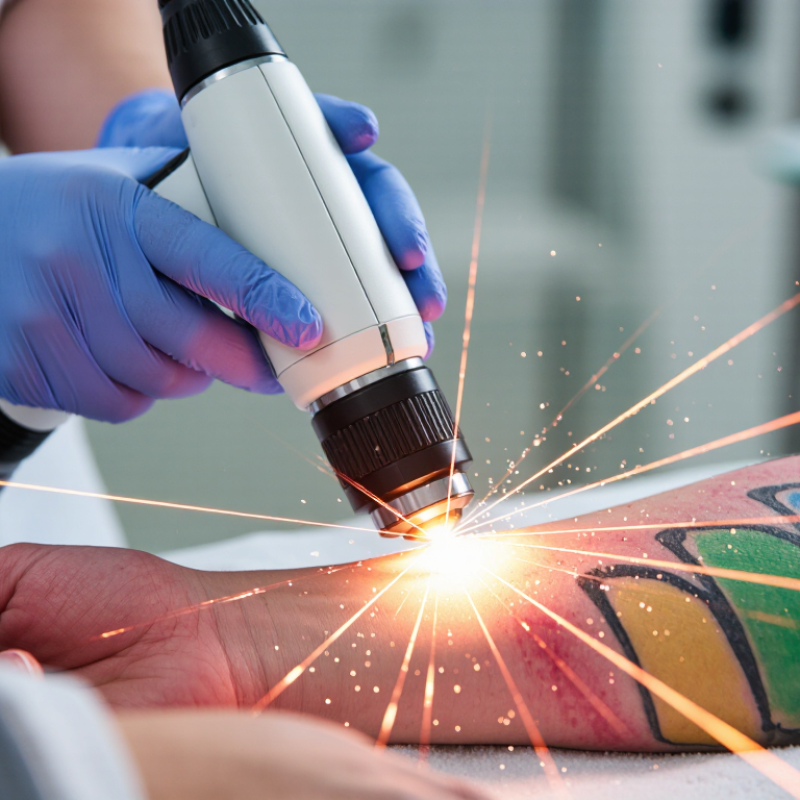
A stubborn tattoo can remain vivid after years of sun exposure or earlier removal attempts. Its ink may sit at different depths, and dense outlines or layered colors can make treatment less predictable. So, how does picosecond laser remove stubborn tattoos? It delivers extremely short pulses of light that target selected ink pigments. The rapid energy can break ink into smaller particles, which the body gradually clears through its natural processes. The laser does not simply wash the tattoo away.

That distinction matters. Black ink often responds differently from green, blue, or yellow pigments, and one wavelength may not address every color. A clinician considers the tattoo’s age, location, ink density, skin tone, and treatment history before recommending a plan. Several sessions are usually needed, with time between them for the skin to recover and the body to clear fragmented pigment. Results vary. No responsible assessment can promise complete removal or a fixed number of visits.

The process also involves trade-offs. Temporary redness, swelling, or lightening and darkening of the skin can occur; scarring is less common but possible. A qualified medical professional should assess the tattoo and explain realistic benefits, risks, and aftercare. Healing can look uneven at first. That can be unsettling, and it deserves careful attention rather than guesswork. Understanding how the laser works is a useful starting point, but an individual evaluation is what makes the discussion relevant to a particular tattoo.
How Does a Picosecond Laser Remove Stubborn Tattoos?

How Tattoo Ink Becomes Trapped in the Skin

Tattoo ink does not sit on the skin’s surface. A needle deposits pigment into the dermis, the layer beneath the outer skin. The body treats many pigment particles as foreign material. Immune cells, including macrophages, engulf some particles, but larger or persistent particles can remain in the tissue. That is why a tattoo can stay visible for years. The ink is held within a changing network of skin cells and connective tissue.

A picosecond laser sends extremely brief pulses of light into selected pigment. The pigment absorbs that energy and breaks into smaller fragments, which the body may gradually clear through natural processes. It is not simply “erased” in one visit. Ink color, depth, tattoo age, skin tone, and healing response can all affect results. A qualified clinician should assess these factors and explain risks, including temporary redness, pigment changes, or scarring. Outcomes vary.

Tips: Keep the area clean and follow the clinician’s aftercare instructions. Do not pick at peeling skin. Protect healing skin from direct sun. If swelling, pain, or redness worsens, contact a medical professional. Some details remain unpredictable, and treatment may take multiple sessions.

How Picosecond Pulses Target Tattoo Pigment

How Does a Picosecond Laser Remove Stubborn Tattoos?

How Picosecond Pulses Target Tattoo Pigment

Picosecond lasers deliver energy in pulses lasting trillionths of a second. That brief burst creates a rapid photoacoustic effect, breaking ink into smaller fragments while limiting heat spread to nearby skin. Think of dark pigment grains shattering beneath the surface; the body then gradually clears fragments through immune activity. Wavelength matters: 755-nanometer light is often used for dark blue and black ink, while other colors may respond differently. No laser wavelength removes every pigment equally.

Published clinical research, including studies in Lasers in Surgery and Medicine, reports substantial fading after several picosecond treatments, but outcomes vary by ink color, depth, density, skin tone, and treatment settings. There is no dependable “one-session” promise. A stubborn, layered tattoo may need multiple visits, spaced to allow healing. Research findings from small clinical groups also should not be treated as a guarantee for every patient.

Tips: Ask a qualified clinician to assess the tattoo and your skin before treatment. Request a small test spot when appropriate, and follow aftercare instructions closely. Blistering, temporary color changes, or scarring can occur; report unexpected healing problems promptly. Darker skin needs especially careful settings. Even good treatment planning can’t erase every risk.

How Rapid Energy Breaks Ink into Smaller Particles

A picosecond laser delivers energy in extremely brief pulses, measured in trillionths of a second. The ink absorbs some of this light, depending on its color and depth in the skin. Energy rises quickly, creating a strong photoacoustic effect: a tiny, rapid pressure change that helps break larger ink deposits into smaller particles. The surrounding skin also receives energy, so careful settings and appropriate eye protection matter. The pulse is brief. The process is not magic.

Once fragmented, ink particles may be easier for the body’s immune system to gradually clear. They do not simply vanish during treatment. A clinician typically spaces sessions apart so the skin can recover and the body has time to remove some of the debris. Results vary with tattoo age, ink colors, density, location, and individual healing. Black ink may respond differently from pale or mixed pigments. A stubborn patch can remain. Even with modern equipment, complete removal is not guaranteed, and temporary redness or swelling can occur. Assessment by a qualified medical professional helps set realistic expectations and choose suitable treatment parameters.

How the Body Clears Fragmented Tattoo Pigment

How Does a Picosecond Laser Remove Stubborn Tattoos?

How the Body Clears Fragmented Tattoo Pigment

A picosecond laser delivers brief pulses of energy into tattoo pigment. The pigment absorbs that energy and breaks into smaller fragments. The surrounding skin also receives heat and light, so careful settings matter. It is not simply ink disappearing on contact.

Then the body takes over. Immune cells, including macrophages, gradually collect and transport some fragments through the lymphatic system. This process unfolds over weeks, not hours. A treated tattoo may look darker or slightly swollen at first, and small crusts can form as the skin heals. That can be unsettling, but it does not automatically mean something went wrong.

The body clears pigment slowly. Several treatments may be needed, with healing time between visits. Results depend on ink color, depth, age, skin characteristics, and the body’s response; pale or resistant pigments can be less predictable. A qualified medical professional can assess the tattoo and discuss risks such as blistering, pigment changes, or scarring. Honest expectations help. I think this part is easy to underestimate: breaking pigment is only one step, and the body’s cleanup has its own pace.

What Affects Results for Stubborn Tattoos

How Does a Picosecond Laser Remove Stubborn Tattoos?

What Affects Results for Stubborn Tattoos

A picosecond laser delivers energy in extremely short pulses, fragmenting ink into smaller particles that the body gradually clears. But stubborn tattoos rarely respond to the laser alone. Ink color, depth, density, location, and skin tone all influence the outcome. The Kirby-Desai scale, published in the Journal of Clinical and Aesthetic Dermatology, groups these factors to help estimate treatment needs. It is a planning tool, not a guarantee.

Color matters. Black ink often absorbs laser energy well, while turquoise and green can be harder to clear with some wavelengths. In a clinical study published in Archives of Dermatology, Brauer and colleagues reported substantial fading of blue and green tattoos after picosecond treatment, though outcomes varied between patients. Small study. Not a promise. A dense tattoo with layered colors may need more sessions than a faint, older design. Tattoos on the lower legs can also fade more slowly than those nearer the torso, partly because circulation differs.

Spacing treatments gives the skin time to recover and remove fragmented pigment. Rushing sessions may raise the risk of irritation or pigment changes without improving clearance. A qualified clinician should assess skin type, ink colors, scarring, and medical history before choosing settings. Even then, complete removal is uncertain; some ink may remain, and results can look uneven. That part is frustrating, but honest expectations matter.

FAQS

Where does tattoo ink sit in the skin?

A needle places pigment in the dermis, beneath the outer skin. Some particles remain there for years.

How does a picosecond laser affect tattoo pigment?

It sends very brief light pulses into selected pigment. The energy breaks pigment into smaller fragments; it does not simply erase the tattoo on contact.

How does the body clear those fragments?

Immune cells, including macrophages, gradually collect and transport some fragments through the lymphatic system. This can take weeks.

Can one treatment remove a stubborn tattoo?

Usually, several sessions may be needed. Healing time between visits matters, and no single-session result is dependable.

What affects how much a tattoo fades?

Ink color, depth, age, density, skin tone, treatment settings, and healing response can all affect results. Some pigments remain unpredictable.

What might the skin look like after treatment?

Temporary redness, swelling, darkening, or small crusts may occur. These changes can be unsettling, but do not automatically mean something went wrong.

What risks should I discuss with a clinician?

Ask about blistering, pigment changes, and scarring. A qualified clinician should assess your tattoo and skin before treatment.

How should I care for treated skin?

Keep it clean, avoid picking peeling skin, and protect it from direct sun. Contact a medical professional if pain, swelling, or redness worsens.

Conclusion

Tattoo ink remains in the skin because its pigment particles are too large for the body’s normal defenses to remove easily. A picosecond laser delivers extremely brief pulses of energy that target the pigment while limiting heat exposure to surrounding tissue. The rapid energy creates a photoacoustic effect, breaking stubborn ink into smaller fragments rather than simply heating it.

After treatment, the body gradually clears some of these fragments through its natural immune and lymphatic processes, so fading happens over time and usually requires multiple sessions. In short, how does picosecond laser remove stubborn tattoos? It makes the pigment easier for the body to process, but results vary. Ink color and depth, tattoo size and age, skin characteristics, treatment settings, and the time allowed between sessions can all affect fading. A qualified clinician can assess the tattoo and explain realistic expectations, possible side effects, and appropriate aftercare.

Henry

Henry

Henry is a dedicated marketing professional with a profound expertise in the company's offerings. With years of experience in the industry, he possesses an impressive understanding of the market dynamics and consumer behaviors that drive success. Henry is committed to sharing his insights through......