As the quest for youthful skin intensifies, many turn to innovative treatments. High-Intensity Focused Ultrasound (HIFU) has emerged as a preferred method for non-invasive skin lifting and tightening. However, a common question arises: how often can you use HIFU anti-aging treatment? Understanding the frequency of this treatment is crucial for achieving optimal results while ensuring skin safety.
Experts suggest that HIFU treatments should be spaced out appropriately. Overuse may lead to skin irritation or diminishing returns. Generally, treatments can be safely conducted every 3 to 6 months, depending on individual skin conditions and goals. Each person's skin responds differently to HIFU, so tailored recommendations should be sought.
It's also vital to consider realistic expectations. While HIFU can rejuvenate the skin, it's not a miracle cure. Regular maintenance may enhance results, but factors such as genetics and lifestyle also play significant roles. Engaging in open discussions with qualified dermatologists can help navigate these complexities, ensuring a safe and effective journey in anti-aging treatments.
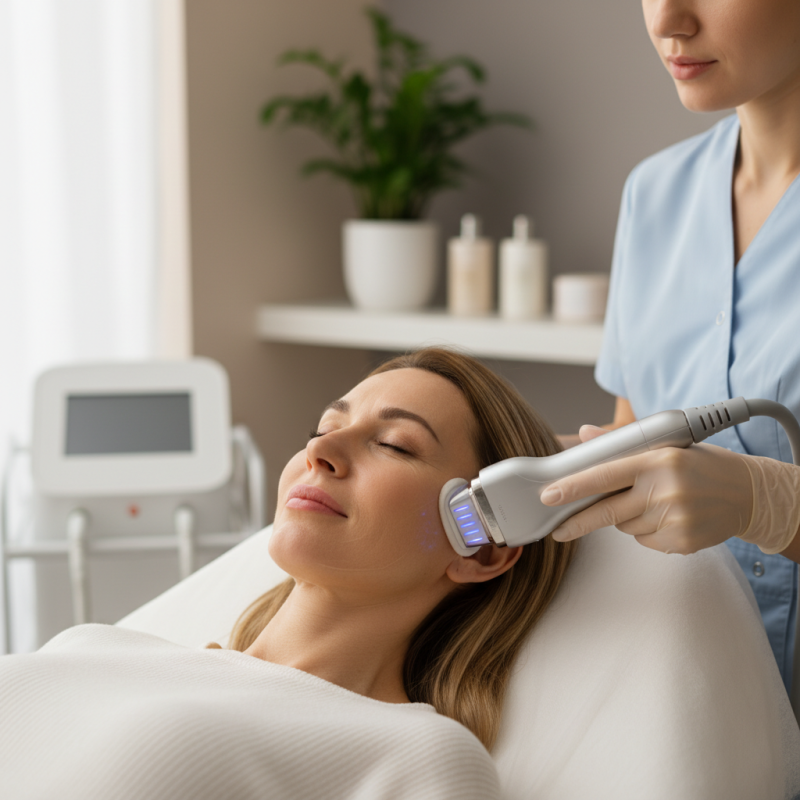
High-Intensity Focused Ultrasound (HIFU) is gaining traction in the anti-aging skincare community. This non-invasive treatment uses ultrasound energy to stimulate collagen production. As skin ages, collagen diminishes. By targeting the deeper layers of the skin, HIFU helps restore elasticity, leading to firmer, smoother skin. According to a report by the American Society for Dermatologic Surgery, a remarkable 85% of patients who underwent HIFU noted visible improvements in their skin texture within three months.
The procedure itself is relatively quick, often taking less than two hours. During treatment, patients may experience mild discomfort, similar to a rubber band snapping against the skin. While many find the results satisfactory, it's essential to approach HIFU with caution. Studies suggest that repeat sessions may be needed every six to twelve months to maintain optimal results, depending on individual conditions. Mismanaged intervals between treatments may lead to skin sensitivity or less desired outcomes.
Data from clinical trials suggests that HIFU is generally safe, but results can vary widely. Factors such as skin type, age, and previous treatments can influence the outcome. While the technology promises a youth-enhancing effect, understanding the nuances becomes vital for anyone considering it. Each individual's response to treatment is unique, necessitating a personalized approach for the best results.
High-Intensity Focused Ultrasound (HIFU) has gained popularity as a non-invasive method for anti-aging. Many people seek out this treatment for its ability to tighten skin and reduce wrinkles. However, determining the best frequency of HIFU sessions is crucial for achieving optimal results.
Experts recommend spacing treatments 3 to 6 months apart. This allows the skin to heal and regenerate without excessive stress. Some individuals might feel tempted to undergo more frequent sessions, but this could lead to adverse effects. Overuse may result in skin irritation or stress, which defeats the purpose of rejuvenation. A personalized approach is vital, as each individual's skin condition varies.
It's also important to monitor results closely. After your initial session, adjustments may be necessary. Some notice significant improvement, while others may not respond as expected. Reflecting on these outcomes allows one to adapt their treatment plan wisely. Consulting with a professional can help navigate these decisions effectively, ensuring you get the most out of your HIFU experience.
High-Intensity Focused Ultrasound (HIFU) is gaining attention for its anti-aging benefits. However, the frequency of treatments varies for each individual. Understanding the factors that influence this frequency is essential.
Skin type plays a crucial role in determining treatment intervals. Thinner skin may require more frequent sessions. Conversely, thicker skin may need less. Age is another significant factor. Older individuals often have more pronounced signs of aging. Their skin may benefit from closer treatment schedules. Also, the elasticity of the skin plays a part. Those with more elastic skin might achieve better results with fewer sessions.
Health conditions can’t be overlooked. Someone with skin sensitivities might require longer breaks between treatments. It’s vital to consult with a qualified professional to assess these factors. Rushing into treatments without personalized advice can lead to suboptimal results. Individual reactions to HIFU can vary, underscoring the need for tailored treatment plans. Adjusting frequency based on personal responses may be necessary, and reflections on results can guide future sessions.
HIFU, or High-Intensity Focused Ultrasound, is popular in anti-aging treatments. While effective, it’s crucial to consider safety risks. Frequent use of HIFU can lead to skin damage or unintended effects. Over-treatment might cause swelling or soreness, which can last for days.
Patients should allow sufficient time between treatments. Long intervals help the skin recover fully. Consulting with a licensed professional before starting is vital. They can evaluate individual skin conditions and tailor a plan that minimizes risks.
Tips: Always discuss concerns with your practitioner. Keep track of any side effects after each session. Adjustments might be necessary based on your body’s response. Prioritize listening to your skin—it’s your best guide. Regular breaks between sessions can lead to better long-term results.
| Frequency of Use | Recommended Period | Safety Considerations | Potential Risks |
|---|---|---|---|
| Once every 3-6 months | Optimal for maintenance | Generally safe for most skin types | Minimal side effects |
| More than twice a year | Caution advised | Monitor skin response | Risk of skin irritation |
| Weekly to monthly use | Not recommended | High risk of damage | Severe skin damage, swelling |
| Once a year for maintenance | Recommended for long-term results | Safe for aging skin | Very low risk |
When considering alternatives to HIFU for anti-aging, multiple options exist. Chemical peels can rejuvenate skin by removing dead layers. Typically, patients undergo peels every four to six weeks for optimal results. This frequency allows the skin ample time to heal and regenerate. Microneedling is another effective treatment. Sessions can be scheduled every four to six weeks as well. This method stimulates collagen production and improves texture.
Laser treatments present different intervals. Ablative lasers might require sessions spaced several months apart. Non-ablative lasers, however, can be done more frequently. Many recommend treatments every three to four weeks. Each technique carries its own recovery time and comfort levels. Some clients experience redness or sensitivity post-treatment, which can complicate scheduling.
The choice of treatment varies based on individual skin types and concerns. Results may take time and could vary greatly. While HIFU is effective, it’s crucial to explore different options. Not every method suits everyone. Routine consultations with a dermatologist remain essential. Each treatment has its own set of expectations. Patient experiences can differ, leading to varied outcomes.
: HIFU stands for High-Intensity Focused Ultrasound. It’s used for non-invasive skin treatment.
HIFU stimulates collagen production with ultrasound energy. This helps restore skin elasticity.
A typical HIFU treatment lasts less than two hours. It’s a relatively quick procedure.
Some patients feel mild discomfort. It's similar to a rubber band snapping against the skin.
Treatments are recommended every 3 to 6 months. This helps the skin heal properly.
Yes, results can vary widely. Factors like skin type and age play significant roles.
Overuse can lead to skin irritation. It may also stress the skin, reducing rejuvenation effects.
Closely observe your skin after treatments. Adjustments may be necessary based on your response.
HIFU is generally safe, but results can differ. A personalized approach is essential for effectiveness.
Reflect on your results. Consulting a professional can refine your treatment plan for better outcomes.
High-Intensity Focused Ultrasound (HIFU) is a non-invasive treatment that works by using ultrasound energy to stimulate collagen production, resulting in tighter and younger-looking skin. When considering how often you can use HIFU anti-aging treatment, the recommended frequency generally ranges from every six months to once a year, depending on individual skin conditions and desired results. Factors such as age, skin type, and overall health can influence how often one should undergo these treatments.
While HIFU is regarded as safe, excessive use may carry risks such as skin irritation or other side effects. Therefore, it is essential to consult with a qualified professional to determine the optimal treatment plan. Additionally, alternative anti-aging treatments, such as laser therapy or chemical peels, may require different frequencies, often necessitating more frequent sessions for comparable results. Ultimately, assessing personal needs and goals is crucial in deciding on the frequency of HIFU treatments.
EssSea Beauty