How to Clean and Disinfect Beauty Machines Effectively?

Time:2026-06-26 Author:Aria
0%

Cleaning and disinfecting beauty machines is critical for maintaining hygiene standards in beauty and wellness facilities. According to a report from the International Spa Association, over 70% of beauty professionals recognize the importance of proper disinfecting protocols to prevent cross-contamination. However, many still struggle with effective techniques. Understanding how to clean and disinfect beauty machines properly can make a significant difference in client safety and satisfaction.

Industry expert Dr. Amanda Roux emphasizes, "Regular and thorough cleaning is non-negotiable in our field." Her statement highlights a challenge faced by many practitioners: the disparity between knowledge and practice. While guidelines exist, executing them consistently often falls short. A common oversight is neglecting the hard-to-reach areas of machines, which can harbor bacteria.

Moreover, many beauty operators assume that visible dirt is the only concern. In reality, pathogens can thrive even in clean-looking equipment. Clear procedures, proper training, and the right products are essential for achieving effective sanitation. The beauty industry must keep evolving and adapting to new hygiene challenges, prioritizing best practices in machine maintenance to protect both staff and clients alike.
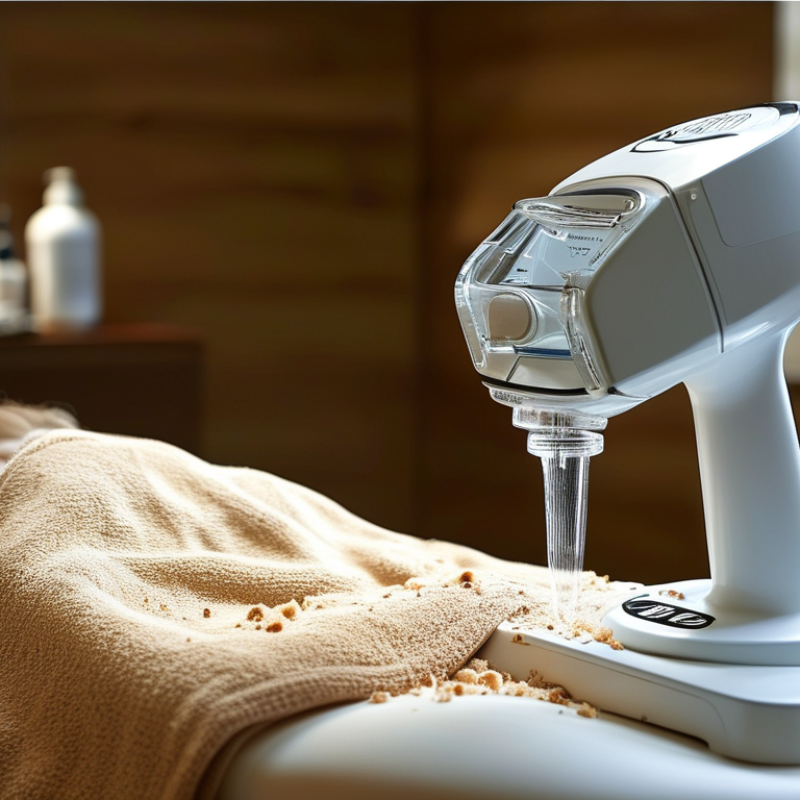
How to Clean and Disinfect Beauty Machines Effectively?

Understanding the Importance of Cleaning Beauty Machines

Cleaning beauty machines is crucial for maintaining a safe environment. Regularly disinfecting these devices prevents cross-contamination, which can lead to infections. According to the Centers for Disease Control and Prevention (CDC), proper cleaning protocols can reduce infection risks by up to 80%. Beauty professionals must prioritize hygiene to protect their clients and themselves.

Many beauty machines, such as laser devices and microdermabrasion tools, come into contact with skin and bodily fluids. If not cleaned properly, they can harbor bacteria and viruses. A recent industry report highlighted that nearly 30% of beauty professionals reported encountering infections linked to unclean equipment. This value underscores the need for strict hygiene measures and staff training on equipment sanitation.

However, the cleaning process itself can be complex. Some technicians struggle to balance thoroughness with time constraints. Rushing through cleaning might leave residues or bacteria behind. Equipment manuals often provide limited guidance on cleaning protocols. Therefore, it’s essential for professionals to stay updated on best practices and possibly invest in more efficient cleaning tools. This continued education can lead to improved outcomes for clients and overall satisfaction in service delivery.

Essential Supplies for Cleaning and Disinfecting Beauty Equipment

Cleaning and disinfecting beauty equipment is crucial for maintaining hygiene in any beauty establishment. Essential supplies include EPA-approved disinfectants, microfiber cloths, and personal protective equipment (PPE) like gloves and masks. According to a recent study, the beauty industry sees a 30% reduction in client infections when proper sanitation practices are implemented.


Microfiber cloths are effective for cleaning surfaces. They trap dirt and germs better than traditional cloths. Disinfectants should be diluted according to the manufacturer's instructions for optimal effectiveness. Choose products that have been tested against viruses and bacteria. It's essential to keep a chart of cleaning schedules for each machine.


Tip: Clean machines after each use, not just daily. This practice minimizes cross-contamination. Store your cleaning supplies properly. Ensure they are easily reachable but out of children’s reach.


Users often overlook the importance of PPE. While gloves are often used, masks may be forgotten. Proper use of PPE reduces the risk of spreading contaminants. Remember that maintaining a spotless environment should be a continuous effort, not just a checklist.

Step-by-Step Process for Safely Cleaning Machines

To ensure beauty machines remain effective and safe, a clear cleaning process is essential. Begin by gathering your cleaning supplies, such as disinfectant wipes, a soft cloth, and a brush for hard-to-reach areas. Disconnect the machine from power sources before any cleaning begins. Use the soft cloth and disinfectant wipe to clean all surfaces gently. Pay special attention to frequently touched areas where dirt and bacteria accumulate.

Tips for effective cleaning include using the appropriate disinfectant for your machine's material. Always check if the disinfectant is safe for electronics. Avoid spraying directly onto devices; instead, apply the cleaner to a cloth. Regular inspections can reveal hidden dirt, so make routine cleaning a priority.

After wiping down surfaces, consider the internal components. Use a soft brush to dislodge dust. While it's critical to maintain cleanliness, overzealous cleaning might lead to damage. Always reflect on your cleaning process and adjust as needed. Reliability in cleaning practices enhances the lifespan of beauty machines. Balancing careful cleaning with caution is crucial.

Best Practices for Disinfecting Surface Areas and Tools

Cleaning and disinfecting beauty machines are crucial for ensuring client safety. Regular maintenance should include both surface areas and tools. First, identify high-touch areas on machines. These surfaces harbor bacteria and viruses. Wiping them down with an effective disinfectant is essential.

Tips: Use a microfiber cloth to prevent scratches. Apply the disinfectant liberally. Allow it to sit for the recommended time. This ensures maximum effectiveness. Pay attention to tools like brushes or applicators. Soak them in a disinfectant solution after each use. Rinse thoroughly to maintain their integrity.

It's easy to overlook smaller items. However, they can become breeding grounds for germs. Disinfect all tools, even those that seem clean. Don't just focus on the visible dirt. Reflect on your process regularly. Make adjustments based on what you observe. Each step counts toward a hygienic environment.

Frequency of Cleaning Beauty Machines

Maintenance Tips for Keeping Beauty Machines in Peak Condition

Regular maintenance of beauty machines is crucial for optimal performance. According to a report by the International Spa Association, nearly 70% of beauty professionals encounter issues due to improper equipment care. Simple steps can prolong the longevity of your machines. Regular inspection helps identify wear and tear. Keeping a maintenance log can facilitate timely repairs.

Cleaning liquids and disinfectants used on machines should be skin-safe. Many professionals overlook the importance of using appropriate products. Harmful chemicals can damage sensitive machine components and pose safety risks. Research indicates that nearly 20% of equipment damage stems from improper cleaning methods.

Incorporate preventive measures into routine checks. Tighten loose screws and replace worn-out parts. Track usage frequency to establish a maintenance schedule. It's important to adapt based on machine performance and environmental conditions. Reflecting on these aspects can enhance operational efficiency, leading to improved customer satisfaction.

FAQS

: Why is cleaning beauty equipment essential?

: Cleaning beauty equipment prevents infections and maintains hygiene. Proper practices can reduce client infections significantly.

What supplies are necessary for cleaning?

Essential supplies include disinfectants, microfiber cloths, and PPE like gloves and masks. Use EPA-approved products.

How can I effectively clean beauty machines?

Gather cleaning supplies, disconnect power, and gently wipe surfaces. Pay attention to frequently touched areas.

How should disinfectants be used?

Dilute disinfectants according to instructions. Always ensure they are safe for the machine's material.

Why is PPE often overlooked?

People may remember gloves but forget masks. PPE is vital for reducing the spread of contaminants.

What maintenance tips can prolong machine life?

Regular inspections help identify issues. Keep a maintenance log and use skin-safe cleaning products.

How can cleaning practices be improved?

Reflect on your cleaning routine and adjust as necessary. Balance careful cleaning with caution to prevent damage.

What should be noted about cleaning schedules?

Keep a chart for cleaning schedules. Clean machines after each use to minimize cross-contamination.

What happens if improper cleaning methods are used?

Using the wrong products can damage machines and pose safety risks. Avoid harmful chemicals in routine cleaning.

Why is routine cleaning important?

Regularly cleaning machines can reveal hidden dirt. It's critical to maintain cleanliness for optimal performance.

Conclusion

Cleaning and disinfecting beauty machines is crucial for maintaining hygiene and ensuring client safety in any beauty setting. To understand how to clean and disinfect beauty machines properly, one must first recognize the importance of routine maintenance and sanitation. Essential supplies include appropriate cleaning agents, sanitizers, and tools designed for safe use on delicate equipment.

The step-by-step process for cleaning involves powering down the machines, removing any detachable parts, and carefully cleaning all surfaces with recommended disinfectants to eliminate any potential contaminants. Additionally, best practices for disinfecting involve focusing on high-touch areas and tools, ensuring that they are completely dry before use. Regular maintenance tips help keep beauty machines in peak condition, ultimately extending their lifespan and enhancing performance while safeguarding clients’ health.

Aria

Aria

Aria is a dedicated marketing professional with a deep passion for innovative strategies and a keen understanding of our company's product offerings. With a wealth of experience in the industry, Aria excels at crafting engaging content that highlights the unique features and benefits of our......