China Top 10 Laser Hair Removal Machines for Dark Skin?

Time:2026-10-17 Author:Isabella
0%

Choosing among China’s top 10 laser hair removal machines for dark skin requires more than comparing cooling systems or advertised power. The key question is: how does laser hair removal work on dark skin? Melanin in the hair absorbs laser energy, while epidermal melanin can also absorb heat. This creates a narrower safety margin for deeper skin tones.

Grand View Research valued the global laser hair removal market at approximately USD 1.03 billion in 2023 and projected strong growth through 2030. Fortune Business Insights also reported rapid expansion, although market figures vary by research methodology. These numbers show commercial momentum, not automatic clinical safety. Performance still depends on wavelength, pulse duration, fluence, cooling, and operator training.

Dermatologist Dr. Tina Alster has stated, “The darker the skin, the more cautious we need to be with laser treatments.” That caution matters. Nd:YAG lasers, especially 1064 nm systems, are commonly considered more suitable for Fitzpatrick IV–VI skin because they penetrate deeper and reduce epidermal melanin absorption. Still, no device is risk-free. A test patch may reveal delayed redness, blistering, or post-inflammatory hyperpigmentation that appears hours later. Sometimes, the first setting is too aggressive. Sometimes, the marketing is too confident. This guide compares ten China-made machines through practical criteria, including wavelength options, cooling performance, certification claims, treatment controls, service support, and suitability for professional use. Reader judgment remains essential.
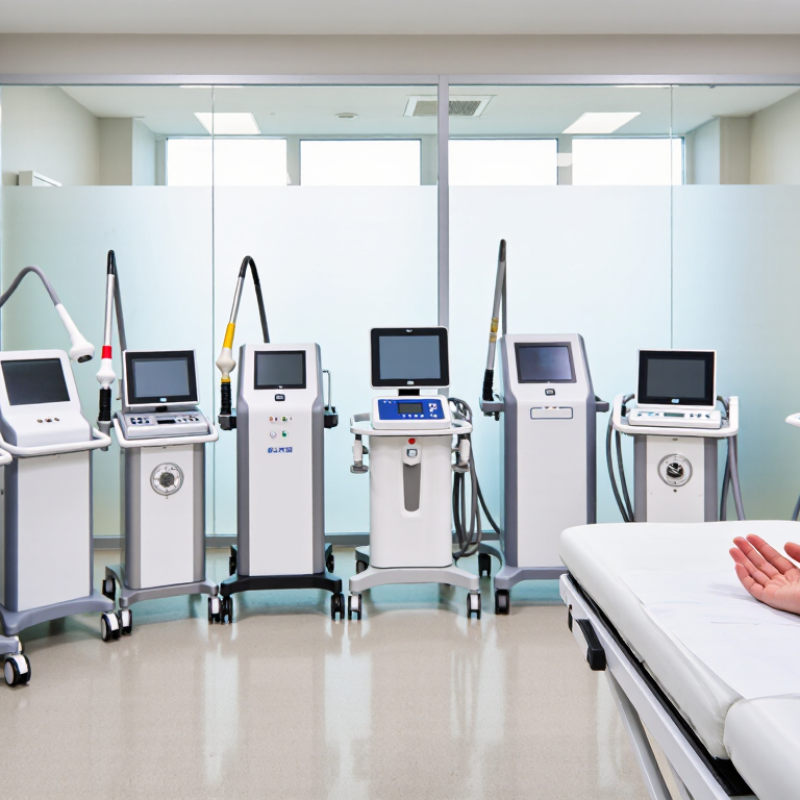
China Top 10 Laser Hair Removal Machines for Dark Skin?

Skin and Hair Characteristics That Affect Laser Hair Removal

Laser hair removal for dark skin requires careful attention to melanin, hair color, and skin condition. Darker skin contains more epidermal melanin, which can absorb laser energy alongside the hair follicle. Excessive heat may cause burns or temporary pigment changes. The safest choice is not always the strongest setting.

Hair contrast strongly affects treatment response. Coarse, dark hair usually absorbs energy more effectively than fine hair. Gray, white, red, and very light blonde hair may respond poorly because they contain less usable pigment. Curly hair can also grow at different angles, making follicle targeting less predictable. Hormonal changes may stimulate new growth, especially around the face, neck, or abdomen.

A trained practitioner should assess skin tone, recent sun exposure, hair density, and medication history before treatment. A small patch test can reveal irritation or delayed darkening. It cannot predict every reaction. That limitation matters.

Cooling and conservative settings may improve comfort and reduce unnecessary heat. Treatment should follow the hair-growth cycle, so several sessions are commonly needed. Recent tanning can change the skin’s response, even when the tan looks mild. Patients should report unusual swelling, blistering, or lasting color changes promptly. Individual results vary, and honest expectations are part of responsible care.

Laser Technologies Suitable for Dark Skin Tones

Choosing among the top 10 laser hair removal machines for dark skin requires more than comparing power ratings. Darker skin contains more melanin, so unsuitable wavelengths may cause burns, dark marks, or uneven lightening. In clinical practice, a 1064 nm Nd:YAG laser is often preferred because it reaches the follicle while reducing melanin absorption near the surface. Proper cooling remains essential. The skin should feel warm, not sharply painful.

Settings matter as much as wavelength. A trained professional should adjust fluence, pulse duration, spot size, and cooling for each treatment area. Patch testing can reveal delayed irritation that may not appear immediately. I would avoid choosing a machine based only on “high power.” More energy is not automatically better. Sometimes, slower treatment with careful spacing protects the skin more effectively.

Some diode systems may suit selected darker skin tones when they offer controlled pulse delivery and reliable cooling. Alexandrite technology can carry greater pigment risk, especially with poor settings, while IPL is not a true laser and may require extra caution. Look for documented testing on deeper skin tones, clear operating guidance, and trained supervision. Small details matter, such as shaving the area closely and avoiding treatment over recently irritated skin. I have seen how one missed variable, including recent sun exposure, can change the result. That is why machine performance should be judged with skin assessment, not marketing language.

Top 10 Laser Hair Removal Machines for Dark Skin

Top 10 Laser Hair Removal Machines for Dark Skin should be judged by safety, control, and clinical adaptability. For deeper skin tones, a 1064 nm Nd:YAG laser is often preferred because it targets follicles while reducing melanin absorption. However, wavelength alone does not guarantee safe treatment. Adjustable fluence, pulse duration, spot size, and reliable skin cooling matter just as much.

A strong machine should offer real-time temperature monitoring and clear treatment records. Cooling should feel like a brief cold snap, not a burning sting. Experienced operators also examine recent tanning, medication use, hair thickness, and treatment history. A small test patch is essential before treating a larger area. Waiting for delayed redness can reveal problems that appear after treatment.

Some diode systems can work well on dark skin when properly calibrated, but aggressive settings may cause burns or uneven pigmentation. IPL devices require extra caution because they emit broad-spectrum light, not one focused laser wavelength. I would not rank a machine highly based only on power or marketing claims. That approach sounds impressive, but it misses the patient.

Professional training remains important.

Home devices usually provide lower energy and slower results. They may suit limited maintenance, but they cannot replace clinical assessment. For a credible top-ten comparison, verify wavelength accuracy, cooling performance, service support, safety certifications, and published clinical evidence. Even then, results vary, and my own preference may change after observing more long-term outcomes.

Safety Features, Treatment Settings, and Cooling Systems

Choosing among the top 10 laser hair removal machines for dark skin requires more than checking power ratings. Melanin absorbs light, so poorly controlled energy can increase the risk of burns or uneven pigmentation. Look for adjustable fluence, pulse duration, and spot size. A trained operator should match these settings to skin tone, hair thickness, and treatment area.

Safety features matter. Skin-tone sensors can reduce treatment when pigment levels appear high, but they are not perfect. A manual override should require professional judgment, not casual experimentation. Cooling systems, including contact cooling or chilled air, help protect the surface and reduce discomfort. Cooling should feel steady, not painfully cold. It can also hide excessive heat, so operators must inspect the skin during treatment.

A patch test remains essential, even with advanced equipment. Wait and observe the area before treating a larger zone. Darker skin may show delayed irritation or temporary lightening after exposure. Avoid treating recently tanned or inflamed skin. Protective eyewear, clean contact surfaces, and documented treatment settings support safer practice. Results also depend on hair growth cycles, hormonal factors, and consistent sessions. No machine works identically for every person. That limitation deserves honest attention.

How to Choose and Use the Right Machine Safely

Choosing among the top 10 laser hair removal machines for dark skin requires more than comparing power levels. Look for systems designed for Fitzpatrick skin types IV–VI, especially long-pulsed 1064 nm Nd:YAG technology. It generally targets the follicle while reducing unwanted melanin absorption in the surrounding skin. Diode systems may also work, but only when their settings and cooling features suit darker skin. Ask for clinical evidence, adjustable fluence, reliable cooling, and trained operator support.

Safe use matters more than impressive specifications. A qualified practitioner should inspect your skin, hair color, medications, and tanning history before treatment. Perform a small patch test first, then wait for delayed redness or pigment changes. Wear proper eye protection. Avoid recently tanned skin, irritated areas, tattoos, and suspicious moles. Treatment should feel warm and sharp, not painfully burning. Start conservatively. Even experienced operators can misjudge sensitive skin, so settings may need careful adjustment between sessions.

Tips: Shave the area, but do not wax or pluck beforehand. Keep the skin clean and product-free. Use gentle cooling after treatment, and apply broad-spectrum sunscreen daily. Do not scratch blisters or darkened patches. Results vary with hormones, hair thickness, and treatment spacing. Some machines advertise universal safety, but that claim deserves skepticism. A dermatologist’s assessment is worth more than a glossy specification sheet.

China Top 10 Laser Hair Removal Machine Configurations for Dark Skin

The chart compares common laser wavelength configurations rather than company or brand performance. A 1064 nm Nd:YAG laser is generally the preferred wavelength for Fitzpatrick skin types IV–VI because it penetrates deeper and is absorbed less by epidermal melanin. Shorter wavelengths, including 755 nm and many 810 nm systems, require greater caution on darker skin. Always use a trained professional, perform a patch test, select conservative settings, provide adequate cooling, and follow the device manufacturer’s safety protocol.

FAQS

Why does dark skin require special care during laser hair removal?

Darker skin contains more melanin, which can absorb laser heat. Conservative settings may reduce burns and temporary pigment changes.

Which laser wavelength is often considered suitable for deeper skin tones?

Long-pulsed 1064 nm technology is often preferred. It can target follicles while limiting surrounding melanin absorption.

Does the strongest setting produce the best result?

Not always. Excessive energy may cause blistering, burns, or uneven darkening. Safer treatment may require slower progress.

Which hair types respond best to treatment?

Coarse, dark hair usually absorbs energy effectively. Gray, white, red, and very light blonde hair may respond poorly.

Why is a patch test important?

It may reveal irritation or delayed darkening on a small area. It cannot predict every reaction.

What should a practitioner check before treatment?

They should review skin tone, tanning, hair density, medications, and treatment history. Skin condition matters too.

What should treatment feel like?

A brief cold snap may come from cooling. The laser can feel warm and sharp, but not painfully burning.

What should I avoid before and after treatment?

Avoid recent tanning, waxing, plucking, irritated skin, tattoos, and suspicious moles. Shave instead. Use daily sunscreen afterward.

How many sessions might be needed?

Several sessions are commonly needed because hair grows in cycles. Hormonal changes can stimulate new growth.

Can home devices replace professional treatment?

Usually, no. Home devices often use lower energy and work more slowly. They may support limited maintenance, but assessment is missing.

Conclusion

Laser hair removal on dark skin requires careful consideration of melanin levels, hair thickness, and the contrast between skin and hair. The key question, “how does laser hair removal work on dark skin,” can be answered by explaining that the laser targets pigment in the hair follicle while minimizing heat absorbed by surrounding skin. Technologies with longer wavelengths and adjustable energy settings are generally more suitable, especially when combined with effective cooling systems and controlled treatment pulses. This article presents ten types of laser hair removal machines designed for darker skin tones, focusing on performance, flexibility, and user safety rather than brand names.

It also examines essential safety features, including skin-cooling functions, adjustable fluence, pulse-width control, skin-tone sensors, and test-spot procedures. Readers will learn how to compare machines, select appropriate settings, prepare the skin, and use protective measures responsibly. Professional assessment, gradual treatment adjustments, and consistent aftercare are emphasized to help reduce the risk of burns, irritation, or uneven pigmentation.

Isabella

Isabella

Isabella is a dedicated marketing professional with a sharp focus on driving brand growth and engagement through strategic content creation. With an extensive background in digital marketing, she combines her passion for storytelling with her keen understanding of industry trends to deliver......