2026 Best Anti Aging Machines Why Do They Boost Collagen?

Time:2026-10-12 Author:Isabella
0%

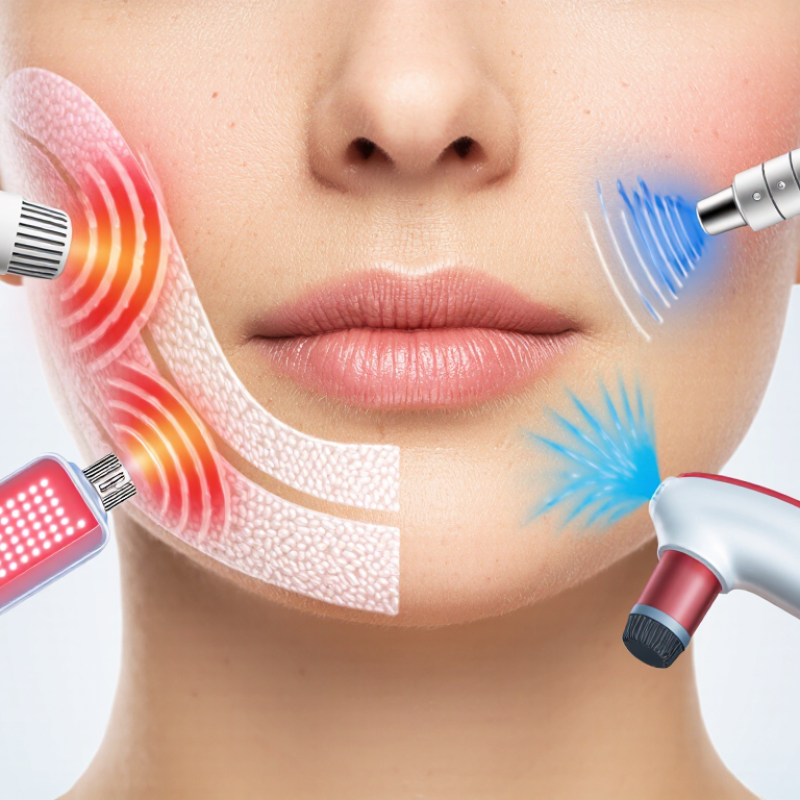
The 2026 guide to anti-aging machines begins with a practical question: why is collagen production triggered by anti aging machines? Devices such as radiofrequency, focused ultrasound, LED, and microneedling use different biological signals. Controlled heat may stimulate the skin’s repair response. Tiny needles create carefully measured micro-injuries. Light-based systems may influence cellular activity. These effects can encourage fibroblasts to support collagen and elastin production.

The science is promising, but it is not magic. Collagen changes gradually, often across several weeks or months. Results depend on age, skin condition, device quality, treatment settings, and aftercare. A warm sensation during radiofrequency treatment is common. Excessive heat, however, can irritate skin or cause harm. Professional assessment matters. Qualified dermatology providers can review medical history, medications, pigmentation risks, and realistic expectations. Home devices usually offer lower energy than clinical equipment.

Evidence also has limits. Some studies are small, manufacturer-funded, or based on short follow-up periods. That deserves attention. Personal experience can be useful, but it cannot replace controlled research or medical advice. The best machine may not be the newest model. It may be the safest option for your skin, lifestyle, and budget. Before choosing, examine independent studies, certification information, treatment protocols, and maintenance requirements. Take clear photos in the same lighting. Track texture, firmness, redness, and discomfort over time. Anti-aging technology can support healthier-looking skin, but careful decisions remain more valuable than impressive promises.
2026 Best Anti Aging Machines Why Do They Boost Collagen?

What Are Anti-Aging Machines and How Do They Work?

Anti-aging machines are professional or home-use devices designed to improve visible skin changes. They use controlled energy, such as radiofrequency, ultrasound, light, or tiny mechanical needles. The energy reaches selected skin layers and creates a carefully managed stimulus. Some treatments warm tissue. Others produce microscopic channels. This process may encourage fibroblasts, the cells that build collagen and elastin, to become more active. Collagen supports firmness, while elastin helps skin recover after movement.

The result is not instant. Results vary widely. After treatment, skin may look temporarily tighter because of swelling or surface changes. Genuine collagen remodeling usually develops over several weeks or months. Results depend on age, sun exposure, smoking, hormones, skin thickness, and treatment settings. Two people can use similar technology and see different outcomes. That detail matters.

Reliable care begins with a qualified clinician and a clear assessment of skin condition. The operator should explain energy levels, expected discomfort, redness, pigment changes, burns, or scarring. Eye protection and hygiene matter, especially with light-based equipment or devices that puncture skin. Evidence is promising for several technologies, but it is not equally strong for every machine. More collagen does not always mean better skin. Aggressive settings can create problems. A cautious plan, daily sun protection, and realistic photographs are more useful than dramatic promises. Claims that one session replaces sleep, nutrition, or medical care deserve careful questioning.

How Energy-Based Treatments Stimulate Collagen Production

2026 Best Anti Aging Machines: Why Do They Boost Collagen?

Energy-based treatments work by delivering controlled heat, light, radiofrequency, ultrasound, or tiny laser impacts into selected skin layers. This energy creates a measured stress response. The skin then activates repair pathways, including fibroblast activity and new collagen formation.

Collagen gives skin much of its firmness and structure. As production increases, fine lines may soften and loose areas can appear more supported. The change usually develops gradually over several weeks or months. It is not an overnight lift.

The process is more subtle than advertisements often suggest. Results depend on age, skin condition, energy settings, and the body’s healing response. Too much energy can cause burns, pigmentation changes, or prolonged irritation. Proper assessment matters.

A trained medical professional should review medications, skin sensitivity, and previous procedures before treatment. Sun protection also helps protect newly remodeled skin from further collagen breakdown. Maintenance may be needed.

The science is promising, not magical. Some people respond strongly, while others see limited improvement. Even clinical studies cannot predict every individual result. Better technology does not remove the need for careful settings, realistic expectations, and ongoing evaluation.

The Main Types of Anti-Aging Machines in 2026

Anti-aging machines in 2026 mainly target collagen through controlled heat, light, sound, or tiny skin injuries. Collagen supports firmness, elasticity, and smoother texture. Results depend on age, skin condition, treatment settings, and daily sun protection.

Radiofrequency devices warm deeper skin layers, encouraging gradual collagen remodeling. Some systems combine radiofrequency with microneedling, creating precise channels before delivering heat. This approach may improve fine lines, pores, and mild laxity. It can feel uncomfortable, and redness may last for several days. Results are not always dramatic.

LED light therapy offers a gentler option. Red and near-infrared wavelengths may support cellular activity and reduce visible inflammation. It usually requires repeated sessions, not one impressive appointment. Ultrasound-based devices deliver focused energy beneath the surface, while fractional laser devices create controlled micro-injuries to stimulate renewal. Lasers often produce stronger changes, but they also require careful skin assessment and recovery planning. A qualified professional should check skin tone, medication use, scarring history, and treatment goals before choosing a device. Home devices are generally weaker, although “weaker” does not mean risk-free. I have seen people expect a lifted face after one session; that expectation needs correction. Collagen develops slowly, and some improvement can be subtle. Even advanced machines cannot replace sunscreen, adequate sleep, or realistic medical advice.

2026 Best Anti-Aging Machines: Why Do They Boost Collagen?

The main types of anti-aging machines and their representative treatment depths

Values show representative focal or effective treatment depths commonly used in clinical devices. Actual settings vary by device, treatment area, and patient.

Controlled stimulation

Radiofrequency, laser, and light-based treatments create controlled thermal or photobiological signals that can activate fibroblast activity.

Collagen remodeling

Controlled injury or heating can promote new collagen formation and gradual remodeling of existing dermal collagen.

Different mechanisms

LED uses photobiomodulation, RF uses electromagnetic heating, lasers use optical energy, and ultrasound uses focused acoustic energy.

Why Increased Collagen Can Improve Skin Firmness and Texture

2026 Best Anti Aging Machines: Why Do They Boost Collagen?

Why Increased Collagen Can Improve Skin Firmness and Texture

Collagen acts like an internal support mesh beneath the skin. It helps maintain firmness, smoothness, and surface structure. With age, collagen production gradually slows. Sun exposure, smoking, stress, and poor sleep may accelerate this decline. Results vary.

Many modern anti-aging machines use controlled heat, ultrasound, or tiny punctures. These treatments create a measured stimulus within the skin. The body then begins a repair response, which can encourage new collagen formation. This process usually develops over several weeks, not overnight.

More collagen may help the skin feel denser and look less creased. It can soften uneven texture and reduce the appearance of mild laxity. However, collagen is only one part of skin quality. Hydration, elastin, pigmentation, and daily sun protection also influence visible results.

Professional assessment matters. Skin thickness, sensitivity, age, and medical history can change the safest treatment approach. A trained practitioner should explain expected results, recovery time, and possible side effects. Stronger settings are not automatically better.

The process is not perfectly predictable. Some people notice subtle improvement, while others need several sessions. A realistic plan often produces healthier decisions than chasing dramatic, instant change. Consistent protection from ultraviolet light remains essential, even after collagen-focused treatments.

Safety, Treatment Choices, and Expected Results of Collagen Devices

Collagen devices work by creating controlled energy or microscopic injury in the skin. This signals the body to repair itself and produce new collagen. Common choices include radiofrequency, ultrasound, fractional laser, and microneedling devices. Each option reaches a different skin depth and suits different concerns.

Safety depends on accurate assessment and skilled treatment. A qualified medical professional should review your skin type, medications, healing history, and previous procedures. Active infections, poor wound healing, or a tendency toward raised scars may require postponement. Darker skin can face a higher risk of temporary pigment changes after certain treatments. Possible effects include redness, swelling, discomfort, burns, infection, or scarring. Home devices may appear convenient, but misuse can cause avoidable harm. The consultation matters.

Expected results are usually gradual, not dramatic. Skin may feel firmer after several weeks, while texture and fine lines can improve over a few months. Some treatments need multiple sessions and later maintenance. Results vary with age, sun exposure, hormones, and natural collagen production. They cannot recreate a surgical lift. I would also question promises of permanent perfection. A well-documented treatment plan, realistic photographs, and proper follow-up provide more reliable evidence than a glowing advertisement. Even then, improvement may be uneven.

2026 Best Anti Aging Machines: Why Do They Boost Collagen? - Safety, Treatment Choices, and Expected Results of Collagen Devices

Device Type How It May Support Collagen Common Treatment Areas Typical Treatment Course Expected Results Downtime and Side Effects Important Safety Considerations Best Suited For
Radiofrequency Microneedling Insulated or non-insulated needles deliver radiofrequency heat into controlled skin depths. The thermal injury and wound-healing response may stimulate collagen remodeling. Face, jawline, neck, acne scars, enlarged pores, and selected body areas. Often 2–4 sessions spaced about 4–8 weeks apart, depending on the device and treatment goal. Gradual improvement in skin texture, firmness, and some scars. Results commonly develop over 2–6 months as collagen remodels. Redness, swelling, pinpoint bleeding, or roughness may last from several days to about one week. Requires appropriate needle depth and energy settings. Burns, infection, scarring, and pigment changes are possible, especially with poor technique or unsuitable settings. People seeking stronger texture and laxity improvement who accept short downtime and professional treatment.
Non-Invasive Radiofrequency Controlled dermal heating may cause immediate collagen fiber contraction and stimulate longer-term collagen remodeling without piercing the skin. Face, neck, décolletage, and sometimes body skin. Usually a series of 3–6 treatments, often separated by 2–4 weeks, followed by maintenance as needed. Subtle to moderate firmness and smoothing; improvement is gradual and varies with age, skin laxity, and treatment settings. Usually little or no downtime. Temporary warmth, redness, tenderness, or swelling may occur. The skin must be heated evenly and safely. Avoid treatment over implanted electronic devices or areas with certain metal implants unless medically cleared. People wanting mild tightening with minimal interruption to daily activities.
Fractional Ablative Laser Creates microscopic columns of controlled thermal injury. New epidermal growth and dermal remodeling can improve collagen organization and skin texture. Sun-damaged skin, wrinkles, uneven texture, acne scars, and selected surgical scars. Often 1–3 sessions separated by several weeks to months, depending on intensity and clinical goals. Can provide noticeable texture and fine-line improvement. Collagen remodeling may continue for several months after treatment. Redness, peeling, swelling, crusting, and sensitivity may last several days to two weeks or longer after stronger treatments. Strict sun protection is essential. Higher risk of prolonged discoloration, infection, or scarring in susceptible individuals or when treatment is too aggressive. People prioritizing stronger resurfacing results and able to follow a careful recovery plan.
Non-Ablative Fractional Laser Heats selected areas beneath the surface while leaving much of the outer skin intact, encouraging gradual dermal collagen remodeling. Fine lines, mild pigmentation irregularity, texture concerns, and some acne scars. Commonly 3–5 sessions spaced about 4–8 weeks apart. Usually more gradual and less dramatic than ablative resurfacing, with progressive texture and tone improvement. Mild redness, swelling, or temporary darkening may occur; downtime is often one to several days. Protect the skin from ultraviolet exposure and disclose medications or conditions that increase light sensitivity. People wanting a balance between gradual improvement and shorter recovery.
Focused Ultrasound Focused acoustic energy produces small zones of thermal coagulation at selected depths, which may trigger wound-healing and collagen remodeling. Lower face, jawline, neck, and brow area when appropriate for the device and patient. Often one treatment, with reassessment after approximately 3–6 months. Gradual, usually modest lifting or tightening; results may continue developing for several months and are not equivalent to surgery. Little visible downtime, but temporary tenderness, swelling, tingling, numbness, or bruising can occur. Accurate depth selection is important. Avoid use over areas with contraindicated implants, open wounds, or active infection. People with mild to moderate laxity who prefer a single, non-surgical treatment option.
Red and Near-Infrared LED Low-level light may influence cellular signaling and reduce inflammation. Some studies report support for collagen-related activity, but effects are generally subtle. Face and neck, primarily for fine lines, mild redness, and overall skin appearance. Usually repeated sessions several times per week for 4–12 weeks, followed by maintenance. Subtle improvement in fine lines, redness, and skin smoothness may appear after consistent use; results vary widely. Generally no downtime. Temporary eye discomfort, headache, or skin irritation is possible. Use appropriate eye protection. Ask a clinician before use if taking photosensitizing medication or if prone to light-triggered conditions. People seeking a gentle, low-risk adjunct rather than a major tightening or resurfacing procedure.
Intense Pulsed Light Broad-spectrum light primarily targets pigment and superficial blood vessels. Improved appearance may indirectly make photoaged skin look smoother; collagen stimulation is secondary. Sun spots, freckles, facial redness, and selected signs of photoaging. Commonly 2–5 sessions spaced about 3–6 weeks apart. More even-looking tone and reduced redness or pigmentation; it is not primarily a skin-tightening treatment. Temporary redness, swelling, darkening or lightening of spots, and occasional blistering may occur. Settings must match skin tone and tanning status. Recent tanning and photosensitizing medicines can increase the risk of burns or pigment changes. People whose main concerns are uneven pigmentation or redness rather than laxity.
Key Selection Notes: Collagen remodeling is gradual and results are typically modest compared with surgical lifting. Treatment choice should consider the target concern, skin type, medical history, medications, tendency toward abnormal scarring, recent tanning, and available recovery time. A qualified medical professional should assess the skin and explain device-specific risks before treatment. Daily broad-spectrum sunscreen and a consistent skincare routine remain important for protecting collagen.

FAQS

How do energy-based treatments stimulate collagen production?

They deliver controlled heat, light, radiofrequency, ultrasound, or tiny laser impacts. This creates measured stress in selected skin layers. The skin activates repair pathways, including fibroblast activity and new collagen formation.

What changes might appear after treatment?

Fine lines may soften, and loose areas can look more supported. Skin may feel firmer after several weeks. Texture often improves over a few months. The change is gradual.

Can these treatments create an immediate facelift?

No. They cannot recreate a surgical lift. Results are usually subtle and develop slowly. Claims of instant transformation deserve careful questioning. I would remain skeptical.

Which treatment types are commonly used?

Common options include radiofrequency, ultrasound, fractional laser, and microneedling devices. Each option reaches a different skin depth. The best choice depends on your concerns, skin condition, and treatment goals.

What should a professional review before treatment?

They should review your skin type, medications, sensitivity, and healing history. Previous procedures also matter. Active infections, poor wound healing, or raised-scar tendencies may require postponement. The consultation matters.

What side effects can occur?

Possible effects include redness, swelling, discomfort, burns, infection, and scarring. Some people may experience temporary pigment changes. Darker skin can face higher pigment risks with certain treatments. Settings must be careful.

Are home devices always safe?

No. Convenience does not guarantee safe use. Incorrect settings or technique may cause avoidable harm. Professional assessment can identify risks that a device cannot detect. Home treatment still needs caution.

How long do results last?

Results vary with age, sun exposure, hormones, and natural collagen production. Some treatments require multiple sessions and later maintenance. Sun protection helps protect newly remodeled skin. Permanent perfection is unlikely. Results may be uneven.

Conclusion

Anti-aging machines are non-surgical devices designed to support healthier-looking skin by delivering controlled forms of energy, such as radiofrequency, light, ultrasound, or gentle electrical stimulation. These treatments work by warming or activating targeted layers of the skin, encouraging natural repair processes without removing the surface. This explains why is collagen production triggered by anti aging machines: carefully controlled energy can create mild, intentional stimulation that signals the body to produce more collagen and elastin during the renewal process.

In 2026, collagen-focused devices may help improve skin firmness, elasticity, fine lines, and uneven texture, although results vary according to skin condition, treatment type, and individual response. Choosing the right device requires attention to safety, professional guidance, treatment intensity, and realistic expectations. Some people may notice gradual improvements after several sessions, while maintenance treatments may be needed to preserve results. A qualified provider should review medical history, possible sensitivities, and aftercare requirements before treatment.

Isabella

Isabella

Isabella is a dedicated marketing professional with a sharp focus on driving brand growth and engagement through strategic content creation. With an extensive background in digital marketing, she combines her passion for storytelling with her keen understanding of industry trends to deliver......